
 EN
EN
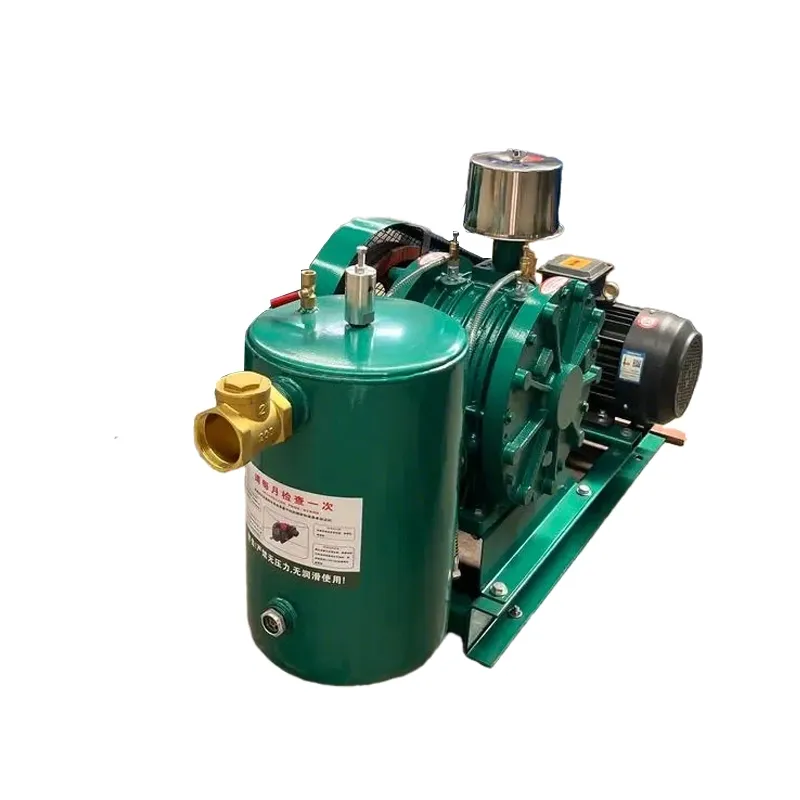
Airflow stability is critical in industrial production environments where inconsistent air delivery can compromise product quality, reduce equipment efficiency, and increase operational costs. A rotary lobe blower addresses this challenge by delivering consistent, pulse-free airflow that maintains steady pressure throughout production cycles. Unlike centrifugal designs that rely on velocity to generate pressure, rotary lobe blowers use positive displacement principles to trap and move precise air volumes with minimal variation, making them ideal for applications requiring strict flow control and reliable performance.
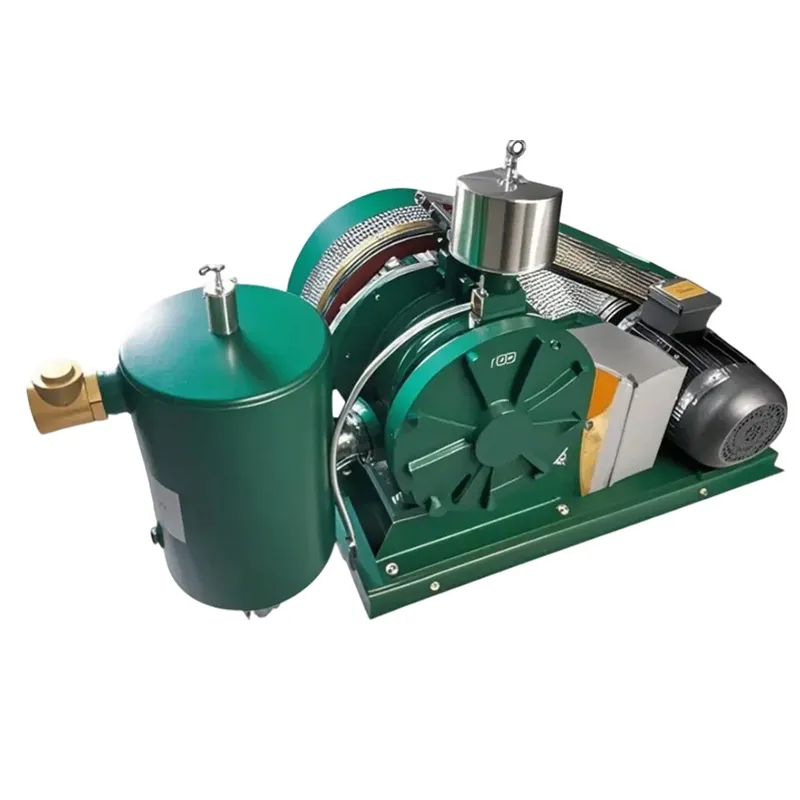
The fundamental mechanism behind flow stabilization in rotary lobe blowers lies in their design architecture. Two synchronized rotating lobes create a fixed displacement volume per revolution, meaning each rotation delivers an exact quantity of air regardless of downstream pressure conditions. This predictable displacement eliminates the surging and pulsation typical of other blower types, resulting in smoother operation and more dependable pressure maintenance across varying load conditions in your production facility.
Understanding Positive Displacement Blower Applications
Core Operating Principles
Positive displacement blower applications depend on the fundamental principle of trapping air in a sealed chamber and forcing it through the discharge. When the rotary lobe blower's two lobes rotate in opposite directions, they create expanding and contracting cavities that move air from the intake to the discharge port with consistent volume delivery. Each complete rotation transfers a fixed quantity of air, ensuring that pressure remains stable and flow remains uniform even when downstream resistance increases suddenly. This mechanical certainty distinguishes positive displacement blower applications from centrifugal models, which vary their output based on operating speed and system resistance.
Industrial Production Benefits
In wastewater treatment, pneumatic conveying, and vacuum processes, positive displacement blower applications deliver measurable advantages. Manufacturing operations requiring precise aeration, material transfer, or pressure maintenance benefit from the rotary lobe blower's ability to sustain constant airflow regardless of production demand fluctuations. Process reliability improves significantly because production workers can depend on steady pressure for consistent results, fewer interruptions, and reduced variability in output quality. Facilities using these blowers report improved energy efficiency during partial-load operation since the blower maintains optimized flow without wasteful bypass or modulation losses common in centrifugal systems.
Rotary Lobe Blower Maintenance and Troubleshooting
Preventive Maintenance Procedures
Regular rotary lobe blower maintenance and troubleshooting protocols extend equipment life and preserve flow stability. Oil level checks, filter inspections, and bearing lubrication should follow manufacturer recommendations to prevent premature wear. High-quality synthetic lubricants designed for positive displacement equipment reduce friction losses and maintain tight tolerances between the rotating lobes, which directly impacts flow consistency. Seasonal inspections of inlet filters prevent debris accumulation that would restrict air intake and reduce the blower's ability to deliver rated airflow. Coupling alignment verification ensures that mechanical forces transfer smoothly between motor and blower, preventing vibration that could compromise flow uniformity and component longevity.
Common Issues and Solutions
Rotary lobe blower maintenance and troubleshooting often address pressure drops, noise generation, and seal failures. Pressure drops typically result from worn inlet or discharge seals, which allow internal leakage and reduce effective displacement volume. Replacing seals during scheduled maintenance intervals prevents flow instability and sustains the rotary lobe blower's characteristic steady pressure delivery. Excessive noise or vibration signals potential coupling misalignment, bearing wear, or lobe contact that requires immediate inspection. If the rotary lobe blower exhibits erratic pressure spikes or intermittent output variations, inspect the discharge for blockages or restrictions that force the blower into relief cycling. Temperature monitoring helps identify lubrication problems early; sustained elevated temperatures indicate friction increases that compromise mechanical efficiency and flow predictability.
Rotary Lobe Blower vs Centrifugal Blower Comparison
Flow Stability and Pressure Characteristics
The most significant distinction in rotary lobe blower vs centrifugal blower comparison involves how each technology handles fluctuating demand. A rotary lobe blower delivers fixed displacement per revolution, maintaining consistent pressure across variable system resistance. Centrifugal blowers, conversely, generate pressure through velocity and depend on operating speed; if system resistance increases suddenly, centrifugal output drops until the impeller accelerates enough to restore pressure. This lag creates momentary airflow reductions that disrupt production processes relying on steady air delivery. For applications where fluctuation tolerance is minimal, the rotary lobe blower vs centrifugal blower comparison clearly favors positive displacement technology for its pressure independence and immediate response to demand changes.
Application Suitability and Operating Conditions
In rotary lobe blower vs centrifugal blower comparison, each design optimizes for different operational ranges. Rotary lobe blowers excel in low-to-moderate flow applications where pressure consistency matters more than maximum speed capability, such as wastewater aeration, material handling, and vacuum-assisted processes. Centrifugal blowers perform better in high-volume, lower-pressure applications where variable output poses minimal disruption. If your production process requires steady airflow at moderate pressures, the rotary lobe blower demonstrates superior performance through its mechanical guarantee of displacement regardless of downstream conditions. Understanding this distinction helps facilities select equipment that aligns with their specific flow stability requirements and operating parameters, ensuring optimal process reliability and energy efficiency across your production environment.
FAQ
Why does a rotary lobe blower provide more consistent airflow than centrifugal blowers?
Rotary lobe blowers use positive displacement principles where two synchronized rotating lobes trap and move fixed air volumes per revolution, creating pressure independent of downstream resistance. Centrifugal blowers rely on velocity and impeller speed, so their output varies when system resistance changes unexpectedly. This mechanical certainty makes rotary lobe blowers ideal for production environments where steady airflow is essential for process quality and operational stability.
What maintenance schedule should I follow for rotary lobe blower equipment?
Follow manufacturer-specified intervals for oil level checks, filter replacements, and bearing lubrication to maintain optimal rotary lobe blower performance. Most facilities inspect equipment quarterly, perform filter changes every 500–1000 operating hours, and conduct comprehensive seal and coupling assessments annually. Preventive maintenance prevents seal leakage that would reduce effective displacement and eliminate the flow consistency that distinguishes positive displacement blower applications from competing technologies.
How does rotary lobe blower vs centrifugal blower comparison affect energy efficiency?
Rotary lobe blowers maintain efficient operation at partial loads because their displacement remains constant regardless of pressure demand, avoiding the bypass losses that centrifugal systems experience. In applications with fluctuating airflow needs, a rotary lobe blower delivers proportionally better energy efficiency. Understanding this distinction in rotary lobe blower vs centrifugal blower comparison helps facilities minimize operating costs while ensuring the steady airflow their production processes require for consistent output quality.