
 EN
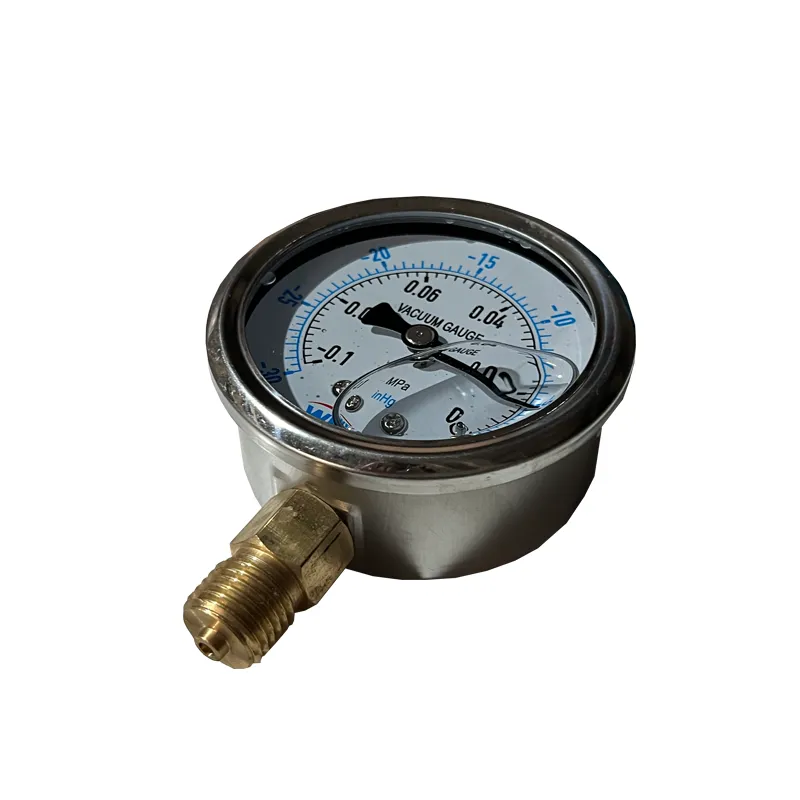
A pneumatic grain conveyor represents a transformative advancement in how agricultural operations manage grain movement from storage to processing facilities. This technology uses compressed air or negative pressure to transport grain through enclosed pipelines, eliminating the inefficiencies and losses associated with traditional mechanical conveyors. Modern grain handling equipment demands speed, accuracy, and minimal product degradation. A pneumatic grain conveyor delivers all three by reducing handling time, minimizing grain breakage, and improving overall facility throughput with remarkable consistency.
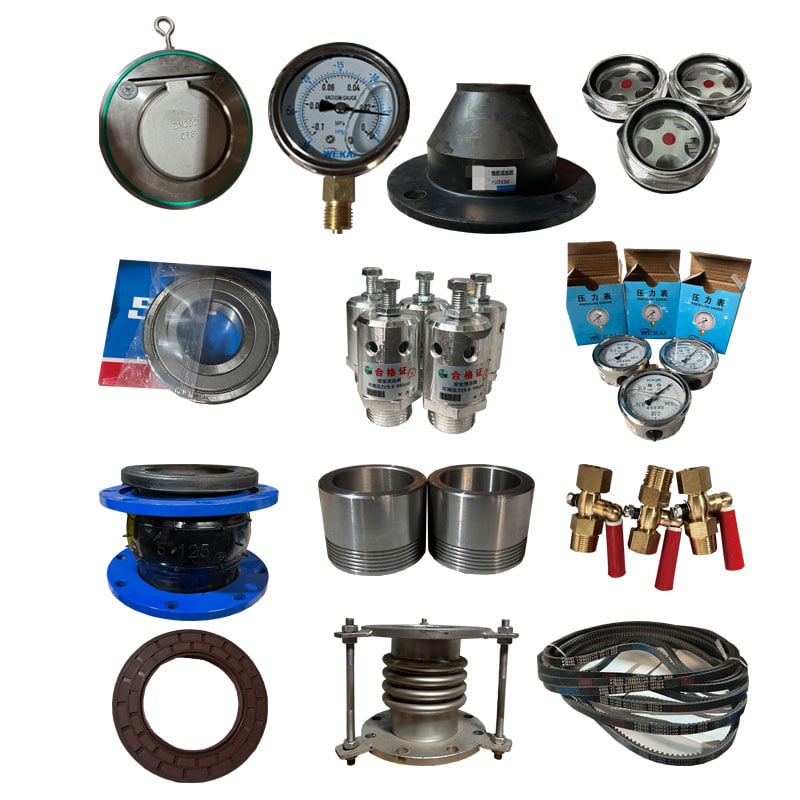
The efficiency gains from a pneumatic conveying system extend beyond simple speed improvements. By enclosing the grain transfer pathway, this grain handling equipment protects product quality, reduces environmental dust emissions, and maximizes space utilization within facility layouts. Bulk grain transportation operations benefit significantly from the ability to move large volumes quickly while maintaining grain integrity. Understanding how this technology improves efficiency helps agricultural businesses make informed infrastructure investments that directly impact profitability and compliance.
How Pneumatic Conveying Systems Reduce Transfer Time
Continuous High-Volume Movement
A pneumatic grain conveyor system operates continuously without the start-stop cycles common to mechanical alternatives. Once activated, a pneumatic conveying system maintains steady grain flow through enclosed pipes, delivering constant throughput rates that mechanical bucket elevators cannot match. This continuous operation means that bulk grain transportation operations can move significantly larger volumes within the same operational window. Grain handling equipment that relies on mechanical friction experiences gradual slowdown and increased wear, whereas pneumatic systems maintain consistent velocity throughout their operational life.
Elimination of Transfer Points
Traditional grain handling equipment often requires multiple transfer points where grain shifts from one conveyor to another, creating bottlenecks and material loss. A pneumatic conveying system creates a single enclosed pathway from source to destination, allowing grain to move directly without intermediate stops. This streamlined bulk grain transportation reduces handling time by eliminating the start-up delays and mechanical repositioning required by traditional systems. Fewer transfer points also mean reduced opportunities for grain damage, as each transfer point previously represented a drop hazard and potential breakage location.
Quality Protection and Product Integrity Benefits
Minimizing Grain Damage During Transport
Mechanical grain handling equipment causes significant grain breakage through impact, friction, and repeated handling at transfer points. A pneumatic grain conveyor transports grain in a protective air cushion within enclosed pipelines, virtually eliminating mechanical contact damage. This approach preserves kernel integrity, which directly impacts milling quality, germination rates, and market value. The pneumatic conveying system's gentle handling proves especially valuable for specialty grain varieties where premium pricing depends on maintaining perfect kernel condition. Bulk grain transportation that preserves product quality justifies premium market positioning and customer loyalty.
Environmental and Contamination Control
Enclosed grain handling equipment prevents environmental exposure that degrades grain quality and creates workplace hazards. A pneumatic grain conveyor maintains grain in a sealed environment from loading through discharge, protecting against moisture ingress, dust contamination, and pest infiltration. This pneumatic conveying system advantage becomes increasingly critical for organic and specialty grain operations where contamination risk carries regulatory consequences. The enclosed nature of bulk grain transportation systems also dramatically reduces facility dust emissions, improving worker safety and regulatory compliance while protecting neighboring properties from grain dust drift.
Space Efficiency and Operational Flexibility
Vertical and Horizontal Routing Capabilities
Grain handling equipment designed with flexible piping can route grain vertically, horizontally, or at intermediate angles, maximizing facility spatial utilization. A pneumatic grain conveyor easily accommodates complex facility layouts where traditional mechanical conveyors would require extensive structural modifications. This routing flexibility means that bulk grain transportation operations can design grain movement paths that align with existing building infrastructure and storage configuration. The pneumatic conveying system's adaptability reduces construction costs and timeline compared to rigid mechanical solutions that dictate facility layout rather than adapting to it.
Reduced Footprint and Scalability
Pneumatic grain conveyor systems require significantly less floor space than equivalent mechanical grain handling equipment. Piping can mount on existing walls, overhead structures, or underground, preserving valuable facility floor area for storage or other operations. As agricultural operations expand, a pneumatic conveying system scales easily by adding piping sections or increasing air supply capacity without requiring facility expansion. This scalability advantage means that bulk grain transportation infrastructure grows incrementally with operational demand, spreading capital investment across multiple periods rather than requiring massive upfront facility expansion.
Performance Metrics and Reliability Advantages
Consistent Throughput Achievement
A pneumatic grain conveyor delivers predictable, measurable throughput that grain handling equipment operators can depend on for production scheduling. The pneumatic conveying system maintains constant conveying velocity regardless of ambient temperature or grain moisture content within normal operating ranges. This consistency enables accurate production forecasting and reliable delivery commitments for bulk grain transportation customers. Mechanical alternatives experience performance variation based on seasonal factors, requiring operational staff to adjust settings continuously and accept variable output, whereas pneumatic systems provide reliable baseline performance that supports business planning.
Reduced Maintenance Requirements
Grain handling equipment with moving mechanical components requires frequent maintenance, replacement parts, and skilled technician expertise. A pneumatic grain conveyor eliminates belt wear, bearing failures, and mechanical friction-related degradation that plague traditional systems. This pneumatic conveying system advantage translates directly to lower total cost of ownership and reduced unexpected downtime. The simple component design of bulk grain transportation pneumatic systems makes troubleshooting straightforward and repairs quick, minimizing production interruptions and extending equipment service life significantly beyond mechanical alternatives.
FAQ
What grain types work best with pneumatic conveying systems?
A pneumatic grain conveyor handles virtually all grain types effectively, including wheat, corn, barley, soybeans, and specialty varieties. This grain handling equipment performs particularly well with small seeds and fragile kernels where mechanical grain handling equipment causes unacceptable damage. The pneumatic conveying system accommodates both standard and specialty grains without requiring system modifications, making it adaptable across diverse agricultural operations and seasonal product changes in bulk grain transportation applications.
How does conveying air velocity affect grain damage in pneumatic systems?
The air velocity in a pneumatic grain conveyor determines how quickly grain particles move through pipes, directly impacting collision frequency and material stress. Grain handling equipment operators balance conveying speed against energy consumption, typically targeting velocities that minimize damage while maintaining acceptable throughput. A pneumatic conveying system designed with proper velocity optimization reduces grain breakage significantly compared to over-powered systems, while bulk grain transportation operators benefit from lower energy costs when velocity remains appropriate rather than excessive.
What factors influence the capacity rating of a pneumatic conveying system?
Pneumatic grain conveyor capacity depends on pipe diameter, air supply pressure and volume, conveying velocity, and grain characteristics. Grain handling equipment designers must consider these variables together to achieve target throughput for bulk grain transportation applications. A pneumatic conveying system operating at optimal parameters delivers maximum capacity while maintaining grain quality, whereas undersized or poorly configured systems deliver disappointing performance and justify upgrading to properly engineered solutions that meet operational requirements reliably.