
 EN
EN
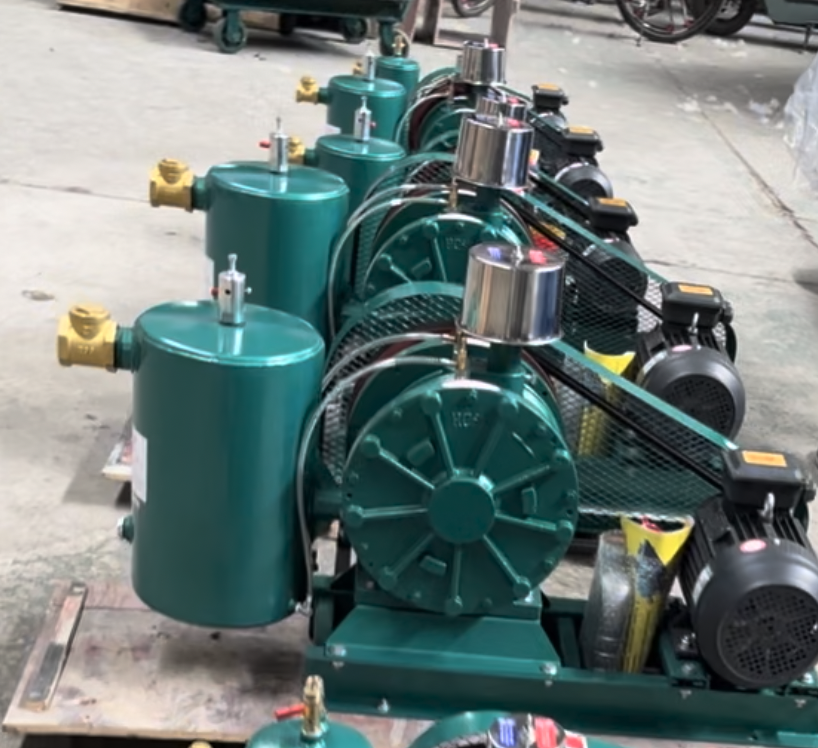
Maintaining stable pressure throughout an industrial system is critical to operational efficiency and equipment longevity. Positive displacement blowers have become the backbone of many industrial air compression systems because they deliver consistent, reliable pressure regardless of fluctuating downstream demand. Unlike centrifugal blowers that vary output with speed and pressure changes, positive displacement blowers operate on a fundamentally different principle that inherently locks in pressure stability.
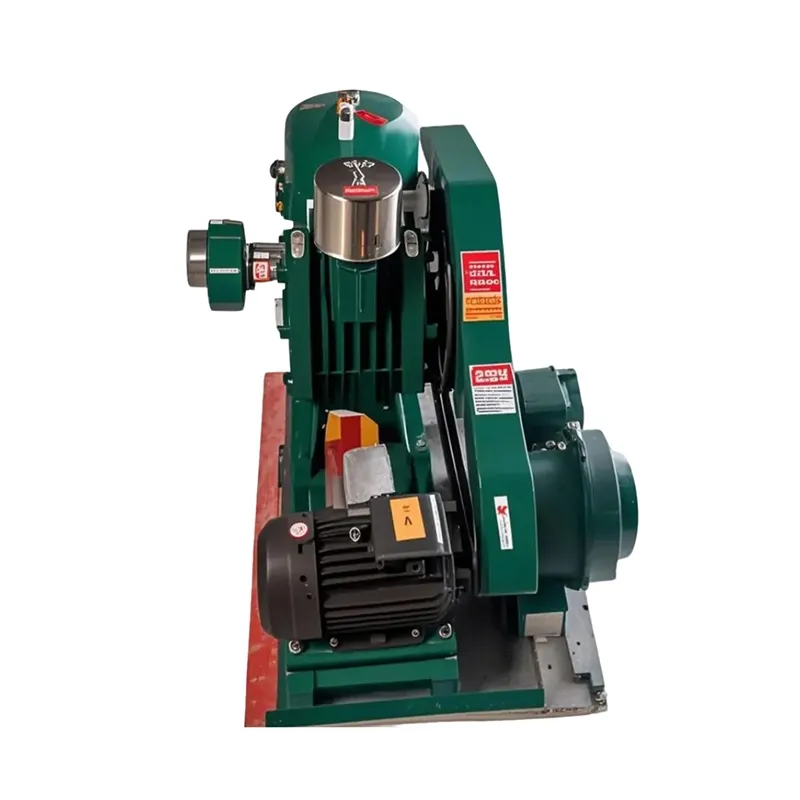
The core advantage of positive displacement technology lies in its mechanical design. Each rotation of the rotor captures a fixed volume of air and delivers it downstream with minimal pressure variation. This mechanical certainty makes positive displacement blower selection guide crucial for applications requiring steady pressure output. Whether you operate wastewater treatment, pneumatic conveying, or industrial gas systems, understanding how these machines maintain stability ensures you choose the right equipment for your operational demands.
The Mechanical Principle Behind Pressure Stability
How Positive Displacement Blowers Lock in Consistent Output
Positive displacement blowers use rotating lobes or vanes that trap air in expanding and compressing chambers. As the rotor turns, each lobe captures a precise volume of air during the intake phase, then pushes that air into the discharge line during compression. This volumetric displacement is independent of pressure conditions, meaning the machine delivers the same volume per rotation whether the system downstream is at low or high pressure. This mechanical consistency forms the foundation of pressure stability in industrial air compression systems.
The fixed displacement nature means the blower cannot be throttled by downstream resistance. If system pressure rises, the blower continues displacing the same volume per cycle, which maintains flow and prevents dangerous pressure spikes. Conversely, when demand drops, the pressure relief valve opens at a preset level rather than the blower reducing output, keeping pressure locked at the desired setpoint. This behavior contrasts sharply with centrifugal designs, where outlet pressure varies with impeller speed and system load.
Rotary Lobe Blower Applications Across Varied Pressures
Rotary lobe blower applications span industries where pressure consistency matters most. In wastewater aeration systems, fixed displacement ensures bubbler diffusers receive steady air volume and pressure regardless of tank level or biological load fluctuations. Pneumatic conveying systems depend on positive displacement blower selection guide principles to maintain uniform pressure that prevents product bridging or surging in pipelines. Food processing, pharmaceutical manufacturing, and chemical blending all rely on this pressure stability to ensure product consistency and process repeatability.
Industrial air compression systems using rotary lobe technology also excel in applications with wide ambient temperature swings. Because volumetric displacement remains constant, temperature-induced pressure variations are easier to manage through simple valve adjustments rather than complex governor systems. This simplicity translates to lower maintenance costs and higher reliability in harsh industrial environments.
Pressure Control and Regulation Mechanisms
Relief Valves and Pressure Setpoint Management
Positive displacement blowers maintain stable pressure through integrated pressure relief valves that limit maximum system pressure. The relief valve is calibrated to open at a predetermined setpoint, allowing excess air to bypass back to the intake or atmosphere. This prevents pressure from creeping above operational limits while keeping the blower running at constant displacement. The beauty of this arrangement is that relief valve tuning is straightforward because the blower itself does not modulate output; only the valve adjusts airflow path.
In a properly designed industrial air compression system using positive displacement technology, the operator sets desired pressure via the relief valve, and the system maintains that pressure with minimal deviation. Load variations that would cause wild pressure swings in centrifugal systems become mere ripples in positive displacement systems. This inherent stability reduces strain on downstream equipment, extending service life and improving safety margins.
Coupling Displacement with System Demand
An important aspect of positive displacement blower selection guide methodology involves matching the blower displacement to average system demand. Oversizing the blower means the relief valve opens frequently, wasting energy and generating heat. Undersizing causes the system to fall short during peak demand. For rotary lobe blower applications, sizing should consider average operating hours and peak demand windows. Many industrial facilities find that selecting a displacement one size above minimum demand provides adequate headroom while minimizing relief valve bypass.
Advanced industrial air compression systems now integrate variable inlet valve technology that modulates displacement without changing motor speed. These systems load and unload the blower by closing the inlet valve, preventing fresh air intake while the rotor still turns. This reduces energy consumption during low-demand periods while maintaining pressure stability and extending equipment lifespan. The displacement remains fixed, but effective displacement becomes variable, balancing efficiency with the reliability benefits of positive displacement technology.
Performance Advantages in Real-World Industrial Environments
Reliability and Minimal Pressure Fluctuation
Positive displacement blowers excel in environments where pressure consistency drives operational success. Compared to centrifugal blowers that require complex governors and dampers to manage pressure pulsations, rotary lobe technology delivers remarkably clean, stable pressure curves. This consistency reduces water hammer effects in piping, prevents instrumentation errors from pressure noise, and eliminates nuisance alarms triggered by minor fluctuations. For mission-critical processes in industrial air compression systems, this reliability advantage justifies the higher initial cost.
The mechanical simplicity of positive displacement blowers means fewer failure modes and longer mean time between maintenance intervals. No complex governors, variable inlet vanes, or adjustable impeller blades require calibration and adjustment. Just displacement, relief valve setting, and basic bearing maintenance. This straightforward approach particularly suits remote industrial facilities where technician availability is limited.
Handling System Transients and Load Swings
Real industrial processes experience sudden load changes that test blower stability. A check valve failure, sudden line opening, or process demand spike can create transient pressure conditions. Positive displacement blowers tolerate these transients better than centrifugal designs because the mechanical displacement cannot be suddenly reduced. The relief valve absorbs transient energy, and pressure stabilizes within seconds. For rotary lobe blower applications in batch processes, intermittent demands, and dynamic systems, this resilience prevents cascade failures and keeps downstream equipment protected.
Additionally, positive displacement technology performs reliably across wide inlet temperature and humidity ranges. Whether air enters at freezing ambient or hot workshop conditions, the displacement remains constant and pressure regulation remains predictable. This makes positive displacement blower selection guide recommendations straightforward for facilities experiencing seasonal temperature extremes or indoor heat-generating processes.
FAQ
Why do positive displacement blowers maintain pressure better than centrifugal blowers?
Positive displacement blowers trap a fixed volume of air per rotor revolution and deliver it mechanically, independent of downstream pressure. Centrifugal blowers vary output based on impeller speed and system resistance, requiring complex governors to maintain stable pressure. The mechanical certainty of positive displacement technology inherently produces consistent pressure output, whereas centrifugal designs must compensate through external control systems.
How does positive displacement blower selection guide help me choose the right size?
A positive displacement blower selection guide evaluates your average system demand, peak pressure requirements, intermittency patterns, and operating duty cycle. By matching displacement to demand profiles rather than oversizing, you optimize energy efficiency while maintaining pressure stability. The guide also addresses inlet conditions, discharge temperature limits, and material compatibility to ensure the selected blower performs reliably throughout its intended service life in your industrial air compression system.
What role do rotary lobe blower applications play in industrial air compression systems?
Rotary lobe blower applications include wastewater aeration, pneumatic conveying, vacuum systems, and gas boosting where pressure consistency and reliability are paramount. These applications benefit from the inherent stability of positive displacement technology, which eliminates pressure pulsations and maintains steady airflow regardless of load fluctuations. The predictable performance of rotary lobe designs makes them the standard choice for critical industrial processes requiring stable pressure.