
 EN
EN
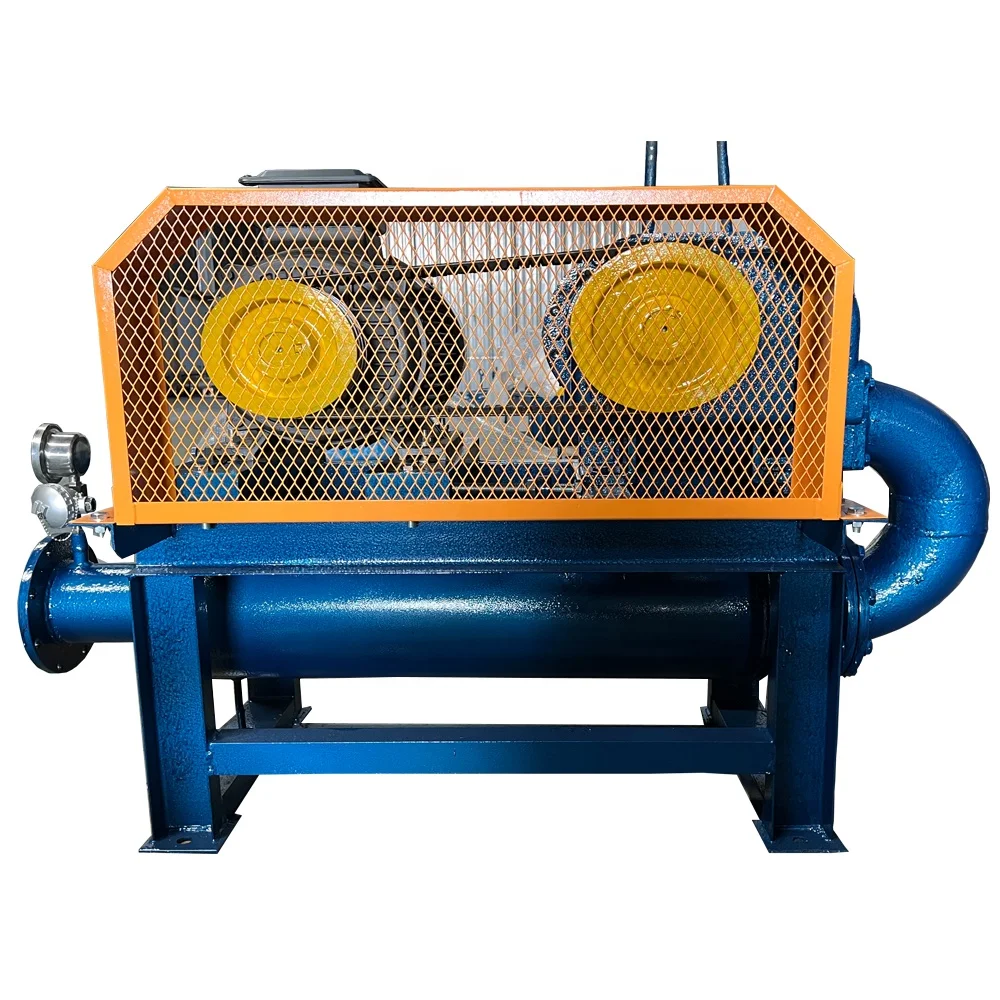
Precision in industrial airflow management is essential for operational efficiency, product quality, and cost control. Many manufacturers struggle with inconsistent air delivery, energy waste, and equipment downtime. A rotary lobe blower addresses these challenges directly by providing consistent, controlled airflow that meets exact process requirements.
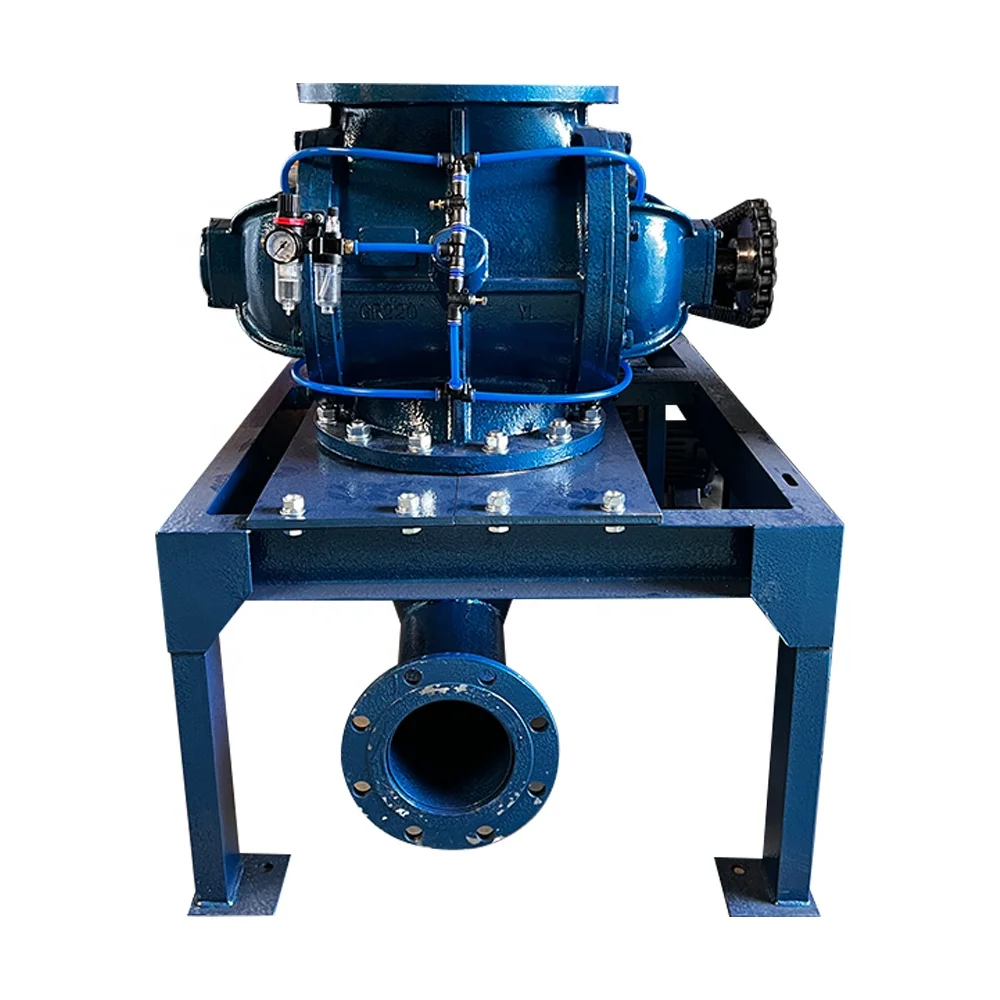
Industrial processes demand precise airflow control to maintain product integrity, prevent contamination, and optimize energy consumption. The rotary lobe blower design delivers superior airflow accuracy through its positive displacement mechanism, which moves a fixed volume of air per revolution regardless of pressure fluctuations. This fundamental characteristic makes the rotary lobe blower ideal for applications requiring steady, predictable air delivery in pneumatic conveying, wastewater treatment, aeration systems, and material processing environments.
Understanding Positive Displacement Blower Applications
Core Mechanism and Accuracy Advantages
Positive displacement blower applications rely on the principle of moving a predetermined volume of air with each complete rotation. Unlike centrifugal blowers that vary output based on pressure changes, a rotary lobe blower maintains consistent flow rates across different operating conditions. This reliability is critical in industries where airflow variation can cause process interruptions, product waste, or safety hazards. The fixed displacement characteristic ensures that downstream equipment receives the exact air volume it requires, improving process predictability and reducing operational variables.
The rotary lobe blower's ability to maintain airflow accuracy under fluctuating pressure conditions makes it invaluable for applications with variable load demands. In pneumatic conveying systems, consistent air delivery prevents product bridging and ensures smooth material transport. In wastewater aeration basins, stable flow rates maintain oxygen transfer efficiency and biological treatment performance. The positive displacement blower applications extend across pharmaceutical manufacturing, chemical processing, food production, and environmental treatment where precision cannot be compromised.
Industry-Specific Performance Standards
Different industrial sectors impose unique airflow accuracy requirements that a rotary lobe blower can reliably meet. In pharmaceutical applications, airflow must remain within tight tolerances to prevent contamination and maintain product specifications. Environmental regulations in wastewater treatment demand consistent oxygen delivery to biological reactors, making accurate airflow control essential for compliance. Positive displacement blower applications in these critical industries demonstrate how precision air delivery directly impacts regulatory compliance, operational safety, and financial performance.
Rotary Lobe Blower Maintenance and Troubleshooting
Preventive Maintenance for Sustained Accuracy
Maintaining rotary lobe blower performance requires systematic attention to sealing systems, rotor clearances, and bearing conditions. Regular inspection of shaft seals prevents air leakage that degrades flow accuracy and increases energy consumption. Rotary lobe blower maintenance and troubleshooting protocols should include monthly pressure and temperature monitoring, quarterly seal inspections, and annual bearing condition assessments. Proper maintenance extends equipment lifespan, preserves airflow accuracy, and prevents costly emergency repairs that disrupt production schedules.
Bearing lubrication represents a critical maintenance factor that directly affects rotary lobe blower performance and reliability. High-quality synthetic lubricants reduce friction, dissipate heat, and protect against premature wear that compromises rotor alignment. Rotary lobe blower maintenance schedules should specify lubricant change intervals based on operating hours and environmental conditions. Contaminated or depleted lubricant causes increased friction, temperature rise, and eventual bearing failure that immediately impacts airflow accuracy and forces unplanned downtime.
Common Issues and Diagnostic Solutions
Reduced airflow output often indicates rotor wear, seal degradation, or internal leakage that requires diagnostic assessment. Rotary lobe blower maintenance and troubleshooting begins with baseline pressure and flow measurements compared against original equipment specifications. Temperature elevation above normal operating range suggests bearing friction, seal binding, or impeller contact that demands immediate investigation. Unusual noise patterns may indicate rotor imbalance, bearing wear, or mechanical clearance changes that affect operational accuracy and signal the need for component inspection or replacement.
Rotary Lobe Blower Noise Reduction and Sound Control
Acoustic Challenges in Industrial Operations
Industrial noise from rotary lobe blower operations affects worker safety, facility operations, and community relations in urban manufacturing environments. Noise generation stems from rotor mesh frequency, air intake pulsation, and discharge pressure fluctuations inherent to the positive displacement principle. Rotary lobe blower noise reduction and sound control strategies address these acoustic sources through intake silencers, discharge mufflers, vibration isolation, and enclosure design. Managing noise emissions protects hearing health, meets occupational exposure limits, and demonstrates corporate environmental responsibility.
The acoustic signature of rotary lobe blower equipment varies with speed, pressure differential, and system configuration. High-speed units operating at elevated discharge pressures generate more noise than low-speed designs, influencing facility layout decisions and noise mitigation investments. Rotary lobe blower noise reduction and sound control measures must balance acoustic performance against pressure drop penalties that reduce efficiency. Proper enclosure design, anti-vibration mounts, and silencer selection create effective noise control solutions while maintaining airflow accuracy and energy efficiency.
Engineering Solutions for Sound Control
Multi-stage silencer designs specifically engineered for rotary lobe blower noise reduction and sound control reduce sound pressure levels by fifteen to twenty-five decibels across critical frequency ranges. Intake silencers filter high-frequency noise from air inlet pulsation, while discharge mufflers attenuate noise from pressure relief and exhaust mechanisms. Flexible connections between the rotary lobe blower and downstream ductwork prevent vibration transmission to facility structures that amplify noise. Vibration isolation pads beneath equipment mounting reduce structure-borne sound radiation into surrounding workspaces and adjacent areas.
FAQ
How does a rotary lobe blower compare to centrifugal blowers for airflow accuracy?
A rotary lobe blower delivers consistent flow volume per revolution independent of pressure changes, while centrifugal blowers adjust output based on system resistance. This positive displacement advantage makes the rotary lobe blower superior for applications requiring precise, stable airflow regardless of downstream load variations. Centrifugal designs may offer lower noise and higher efficiency at specific operating points, but cannot match the rotary lobe blower's ability to maintain accuracy across variable conditions. Industry choice depends on whether stable flow control or peak efficiency efficiency is the primary operational priority.
What maintenance schedule ensures rotary lobe blower reliability in continuous operations?
Continuous operation demands monthly performance monitoring, quarterly seal and bearing inspections, semi-annual filter changes, and annual comprehensive overhauls. Rotary lobe blower maintenance and troubleshooting success depends on documenting baseline performance, establishing trend analysis procedures, and addressing minor issues before they escalate. Environmental factors such as dust, moisture, and corrosive atmospheres may require more frequent maintenance cycles. Preventive maintenance investments typically cost one-tenth of emergency repair expenses while eliminating unplanned production downtime and preserving long-term airflow accuracy.
Which industries benefit most from rotary lobe blower accuracy and control?
Wastewater treatment, pneumatic conveying, pharmaceutical production, chemical processing, and environmental remediation represent the highest-value industries for rotary lobe blower installations. These sectors demand precise airflow control for regulatory compliance, product quality, and operational safety where positive displacement blower applications deliver measurable returns. Food production, mining operations, and material handling also benefit from the reliability and accuracy advantages that a rotary lobe blower provides. Industries with variable operating pressures and strict flow control requirements consistently achieve the strongest cost-benefit outcomes from rotary lobe blower technology.